

Cardiovascular disease accounts for a considerable proportion of both morbidity and mortality. In addition to well-established risk factors, some studies have identified a correlation between social determinants such as social support, income, and psychosocial factors and worse outcomes.
MethodsA prospective, single-centre observational study was conducted on patients diagnosed with coronary disease following coronary angiography. In addition to traditional risk factors, social determinants were collected via a researcher-administered questionnaire. Clinical events were prospectively recorded. A composite endpoint was defined as cardiovascular death, myocardial infarction (MI), or coronary revascularization. A multivariate Cox proportional hazards regression analysis was conducted using variables selected from the univariate analysis.
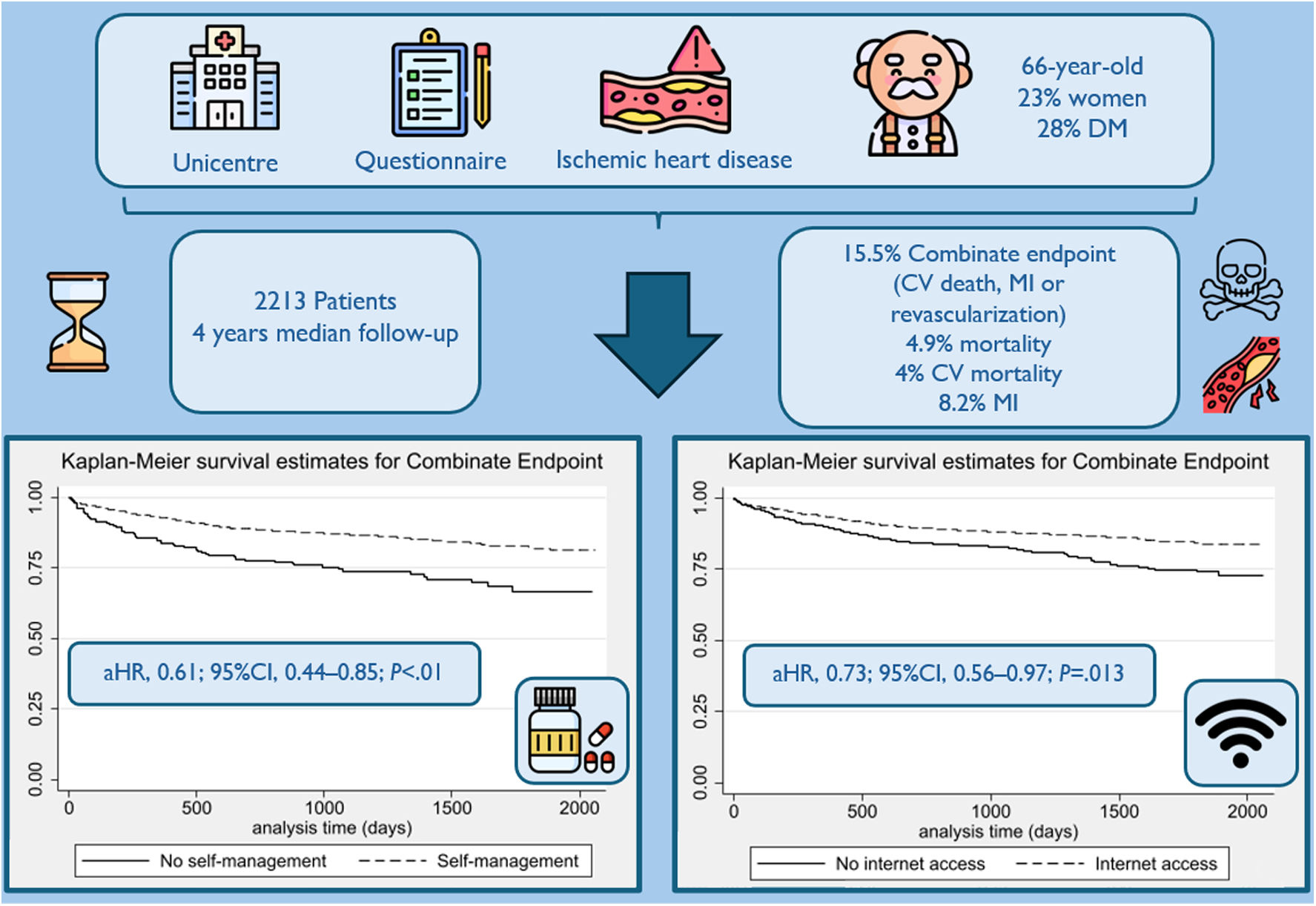
ResultsA total of 2213 patients were followed for a median duration of 1461 days. The mean age of the cohort was 66.3 years; 23.5% were women, 27.8% had diabetes mellitus, and 10.4% had chronic kidney disease. During the follow-up period, there were 343 (15.5%) composite endpoint events, including 109 (4.9%) deaths, 85 (4%) cardiovascular deaths, 182 (8.2%) MI, 229 (10.3%) revascularizations, 70 (3.2%) strokes, and 129 (5.8%) clinically significant haemorrhages. The multivariate analysis revealed that 2 social variables were significantly associated with the composite endpoint: self-management of treatment (aHR, 0.61; 95%CI, 0.44–0.85; P<.01) and home Internet access (aHR, 0.73; 95%CI, 0.56–0.97; P=.013).
ConclusionsCertain social factors, such as self-management of treatment and internet access, are associated with a better prognosis in patients with ischemic heart disease. Identification of these patients would enable healthcare professionals to potentially improve prognosis.
La enfermedad cardiovascular es una de las principales causas de morbilidad y mortalidad. Además de los factores de riesgo conocidos, factores como el apoyo social, los ingresos y otros factores psicosociales se han asociado con un peor pronóstico.
MétodosRealizamos un estudio observacional prospectivo, unicéntrico, en pacientes con enfermedad arterial coronaria tras una angiografía coronaria. Además de los factores de riesgo tradicionales, recogimos determinantes sociales mediante un cuestionario. Se realizó un seguimiento prospectivo de eventos clínicos. Definimos un criterio de valoración compuesto por muerte cardiovascular, infarto de miocardio (IM) o revascularización coronaria. Realizamos un análisis de regresión de Cox multivariante con las variables seleccionadas del análisis univariante.
ResultadosSe siguió a 2.213 pacientes durante una mediana de 1.461 días. Su edad media fue de 66,3 años; 23,5% eran mujeres, 27,8% tenían diabetes mellitus y 10,4% tenían enfermedad renal crónica. Durante el seguimiento, hubo 343 (15,5%) eventos del criterio compuesto, incluyendo 109 (4,9%) muertes, 85 (4%) muertes cardiovasculares, 182 (8,2%) IM, 229 (10,3%) revascularizaciones, 70 (3,2%) accidentes cerebrovasculares y 129 (5,8%) hemorragias. Las variables sociales asociadas con el criterio compuesto fueron la autogestión del tratamiento (aHR=0,61; IC95%: 0,44-0,85; p <0,01) y el acceso a internet (aHR=0,73; IC95%, 0,56-0,97; p=0,013).
ConclusionesCiertos factores sociales, como la autogestión del tratamiento y el acceso a internet, se asocian con un mejor pronóstico en pacientes con enfermedad coronaria isquémica. La identificación de estos pacientes permitiría a los profesionales sanitarios intervenir de manera dirigida, con el potencial de mejorar su pronóstico.
Cardiovascular disease (CVD) represents a significant global health burden, accounting for a considerable proportion of both morbidity and mortality.1 In Spain, it constituted 26% of deaths in 2022, thus becoming the leading cause of death according to the National Statistics Institute (INE).2 Within cardiovascular disease, ischemic heart disease is particularly noteworthy due to its high incidence and mortality.3 Although the morbidity and mortality of patients with ischemic heart disease has improved over the years,4,5 the progressive ageing of the population is making this condition increasingly prevalent. This emphasises the necessity of identifying risk factors and prognostic factors as well as particularly vulnerable population groups, in order to ascertain modifiable causes.
The international clinical practice guidelines define a number of well-established risk factors, including hypertension, diabetes mellitus, dyslipidaemia, and smoking habit.6–8 However, emerging risk factors have recently garnered attention due to their observed association with ischemic heart disease and its prognosis.1,9 Among these, social determinants such as social support, rental income, and other psychosocial factors have been associated with poorer prognosis during follow-up in several studies, including large ecological studies and extensive observational cohort studies.10–16 While interventions targeting many of these variables may be beyond the scope of healthcare providers, the integration of secondary prevention strategies integrated into cardiac rehabilitation programmes, together with greater awareness of these issues by the multidisciplinary team, could prove beneficial in improving patient prognosis.
ObjectivesThe objective of this study is to identify and investigate the social determinants, beyond the classical cardiovascular risk factors, that increase the risk in patients with established ischemic heart disease. To this end, we have designed a single-centre, observational, and longitudinal study in which we have assessed a range of social variables through a targeted survey.
MethodsStudy design and settingA single-centre, observational and prospective study was designed and subsequently conducted in a region of northern Spain. The recruitment period commenced in 2016 and concluded in 2020, prior to the emergence of the SARS-CoV2 pandemic. Patients were followed up for a minimum of4 years and clinical events were documented. The study was designed according to the Strengthening the Reporting of Observational Studies in Epidemiology (STROBE) guidelines of 2019.17 The study design was approved by the local research ethics committee in accordance with the relevant guidelines and regulations.
ParticipantsPatients were consecutively selected after a percutaneous coronary angiography was performed. Inclusion criteria included: confirmed acute or chronic coronary artery disease (according to the definitions of the most recent guidelines from the 2023 European Society of Cardiology (ESC) Guidelines for the management of acute coronary syndromes and the 2019 ESC guidelines for the diagnosis and management of chronic coronary syndromes6,7), survival to the coronary procedure, older than 18 years old. Exclusion criteria included presence of major cognitive impairment or presence of function limiting physical disability which could mislead the answers to the survey according to the criteria of the researcher. The decision of performing coronary angiography was done by clinical suspicion of the reference cardiologist. All patients provided written informed consent.
The interviews aimed to fill questionnaires were always face-to-face, during the period of admission and always by the same researcher.
VariablesThe baseline variables included age at the event, sex, body mass index (BMI), diabetes mellitus (DM), arterial hypertension, dyslipidaemia, smoking history, chronic kidney disease (CKD), left ventricular ejection fraction (LVEF), familial ischemic heart disease, previous MI, previous coronary artery bypass graft surgery or previous coronary revascularization. Additionally, the clinical indication for revascularization was considered: stable angina, ST elevation myocardial infarction (STEMI) and non-ST elevation myocardial infarction (NSTEMI). Furthermore, the analysis encompassed the type of revascularization therapy employed: percutaneous, surgical, or medical treatment.
The social determinant variables included illicit drug consumption, weekly exercise, knowledge of own treatment, compliance with own treatment, self-management of treatment, educational status, active occupation, marital status, urban or rural environment, presence of cohabitants in the home, use of internet social networks, mobile phone ownership and access to the internet.
The outcome variables were death, cardiovascular death, myocardial infarction (MI), coronary revascularization, and a significant major bleeding event, defined as a Bleeding Academic Research Consortium (BARC) classification of type 3, 4 or 5.18 A composite endpoint was defined as a combination of cardiovascular death, MI or coronary revascularization.
Data sourceThe clinical variables were obtained from the electronic medical history of the patients at the outset of the study. The social variables were collected via a questionnaire designed by the investigator (Fig. 1 of the supplementary data). The questionnaire was designed to address social determinants that have been inadequately described in the existing literature. Therefore, no validated questionnaire was available to properly assess the purpose of our research. To ascertain the incidence of cardiovascular events during the follow-up period, data pertaining to these events were collected from the electronic medical history.
Statistical methodsThe differences between the variables were evaluated using a Student t test for quantitative variables and a chi-square test for qualitative variables. A P<.05 was considered to indicate a statistically significant difference. The differences in follow-up between groups were analysed using a multivariate Cox proportional hazards regression model. Variables with a P<.10 in the univariate Cox regression were included in the multivariable analysis. The hazard ratio (HR) and adjusted hazard ratio (aHR) were estimated. The results were presented graphically in a Kaplan–Meier survival plot.
The statistical analysis was conducted using the STATA 16 software package (StataCorp. 2019. Stata statistical software: Release 16. College Station, United States).
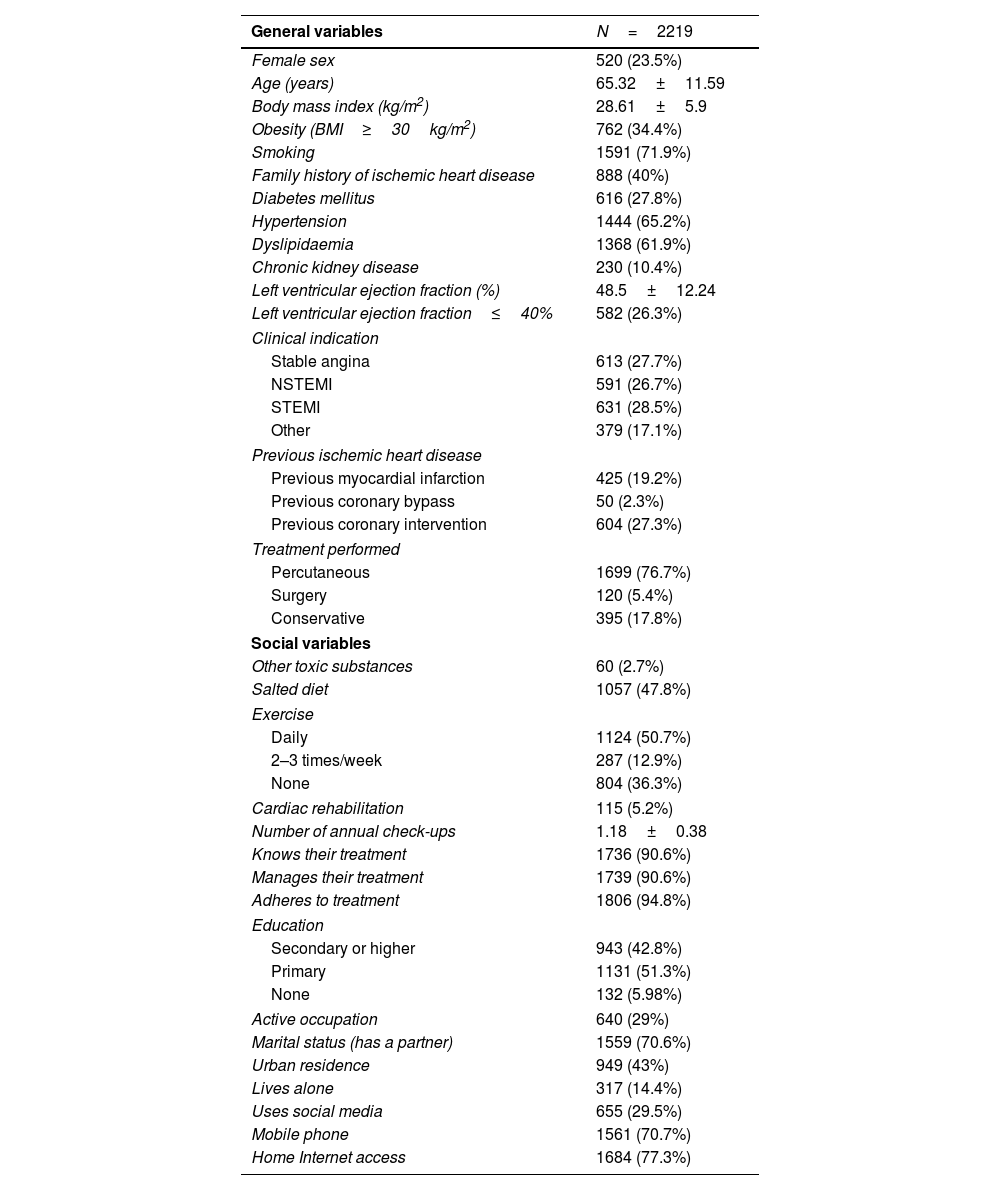
ResultsBaseline characteristicsClassic risk factorsThe cohort comprised 2213 patients (Fig. 2 of the supplementary data). The mean age was 66.3 years, with 520 (23.5%) of the patients being women. A total of 616 patients (27.8%) had been diagnosed with DM, 1444 (65.2%) had hypertension, 1368 (61.9%) had dyslipidaemia, 1595 (71.9%) had a history of smoking and 230 (10.4%) had CKD. Among the patients, 604 (27.3%) had undergone previous coronary revascularization, 425 (19.2%) had experienced a previous MI and 50 (2.3%) had undergone previous coronary graft surgery. The clinical indication for coronary angiography was stable angina in 613 (27.7%), STEMI in 631 patients (26.7%), NSTEMI in 591 (28.5%) patients and other type of indication in 379 (17.1%) patients. Patients were mainly treated percutaneously (76.7%). Conservative treatment (17.8%) and coronary revascularization graft surgery (5.4%) were much less common. Cardiac rehabilitation programme was completed by 115 (5.2%) patients. The mean LVEF at the discharge of the patients was 48.5%, with 582 (26.3%) patients with LVEF<40% (Table 1).
General and social characteristics of the population.
| General variables | N=2219 |
|---|---|
| Female sex | 520 (23.5%) |
| Age (years) | 65.32±11.59 |
| Body mass index (kg/m2) | 28.61±5.9 |
| Obesity (BMI≥30kg/m2) | 762 (34.4%) |
| Smoking | 1591 (71.9%) |
| Family history of ischemic heart disease | 888 (40%) |
| Diabetes mellitus | 616 (27.8%) |
| Hypertension | 1444 (65.2%) |
| Dyslipidaemia | 1368 (61.9%) |
| Chronic kidney disease | 230 (10.4%) |
| Left ventricular ejection fraction (%) | 48.5±12.24 |
| Left ventricular ejection fraction≤40% | 582 (26.3%) |
| Clinical indication | |
| Stable angina | 613 (27.7%) |
| NSTEMI | 591 (26.7%) |
| STEMI | 631 (28.5%) |
| Other | 379 (17.1%) |
| Previous ischemic heart disease | |
| Previous myocardial infarction | 425 (19.2%) |
| Previous coronary bypass | 50 (2.3%) |
| Previous coronary intervention | 604 (27.3%) |
| Treatment performed | |
| Percutaneous | 1699 (76.7%) |
| Surgery | 120 (5.4%) |
| Conservative | 395 (17.8%) |
| Social variables | |
| Other toxic substances | 60 (2.7%) |
| Salted diet | 1057 (47.8%) |
| Exercise | |
| Daily | 1124 (50.7%) |
| 2–3 times/week | 287 (12.9%) |
| None | 804 (36.3%) |
| Cardiac rehabilitation | 115 (5.2%) |
| Number of annual check-ups | 1.18±0.38 |
| Knows their treatment | 1736 (90.6%) |
| Manages their treatment | 1739 (90.6%) |
| Adheres to treatment | 1806 (94.8%) |
| Education | |
| Secondary or higher | 943 (42.8%) |
| Primary | 1131 (51.3%) |
| None | 132 (5.98%) |
| Active occupation | 640 (29%) |
| Marital status (has a partner) | 1559 (70.6%) |
| Urban residence | 949 (43%) |
| Lives alone | 317 (14.4%) |
| Uses social media | 655 (29.5%) |
| Mobile phone | 1561 (70.7%) |
| Home Internet access | 1684 (77.3%) |
Clinical indication “Other” refers to diagnostic coronary angiography for cardiac surgery, transcatheter aortic valve replacement, cardiac dysfunction study or cardiac arrhythmia. BMI: body mass index; NSTEMI: non-ST-elevation myocardial infarction; STEMI: ST-elevation myocardial infarction.
Values are expressed as mean±standard deviation for quantitative variables and n (%) for qualitative variables.
In terms of social determinants, among the health habits, almost half of the cohort consumed a non-restricted sodium diet (47.8%) and there was minimal reported use of illicit drugs (2.7%). Besides, half of the cohort were active and reported daily exercise (50.7%), whereas a third of the cohort (36.3%) reported no exercise at all. We found that almost all patients reported compliant with the treatment (94.8%), knowledge of their treatment (90.6%), and self-management of their treatment (90.6%). The prevalence of no academic education in our cohort was low (5.9%) and almost half of the cohort had high academic education (42.8%). In contrast, only 29% of the patients were employed. Regarding their situation at home, 1559 (70.6%) had a partner and 949 (43%) lived in an urban environment. However, a significant proportion of the cohort lived alone (14.4%). Internet access in our cohort was 77.3%, the mobile phone ownership was 70.7% and the use of virtual social networks was low (29.5%) (Table 1).
OutcomesThe median (p25–p75) follow-up time of the cohort was 1461 days (1177–1740) for a total of 8508 person-years. There were 343 (15.5%) composite endpoint events. There were 109 (4.9%) deaths, 85 (4%) cardiovascular deaths, 182 (8.2%) MI, 229 (10.3%) revascularizations, 70 (3.2%) strokes and 129 (5.8%) clinically relevant haemorrhages.
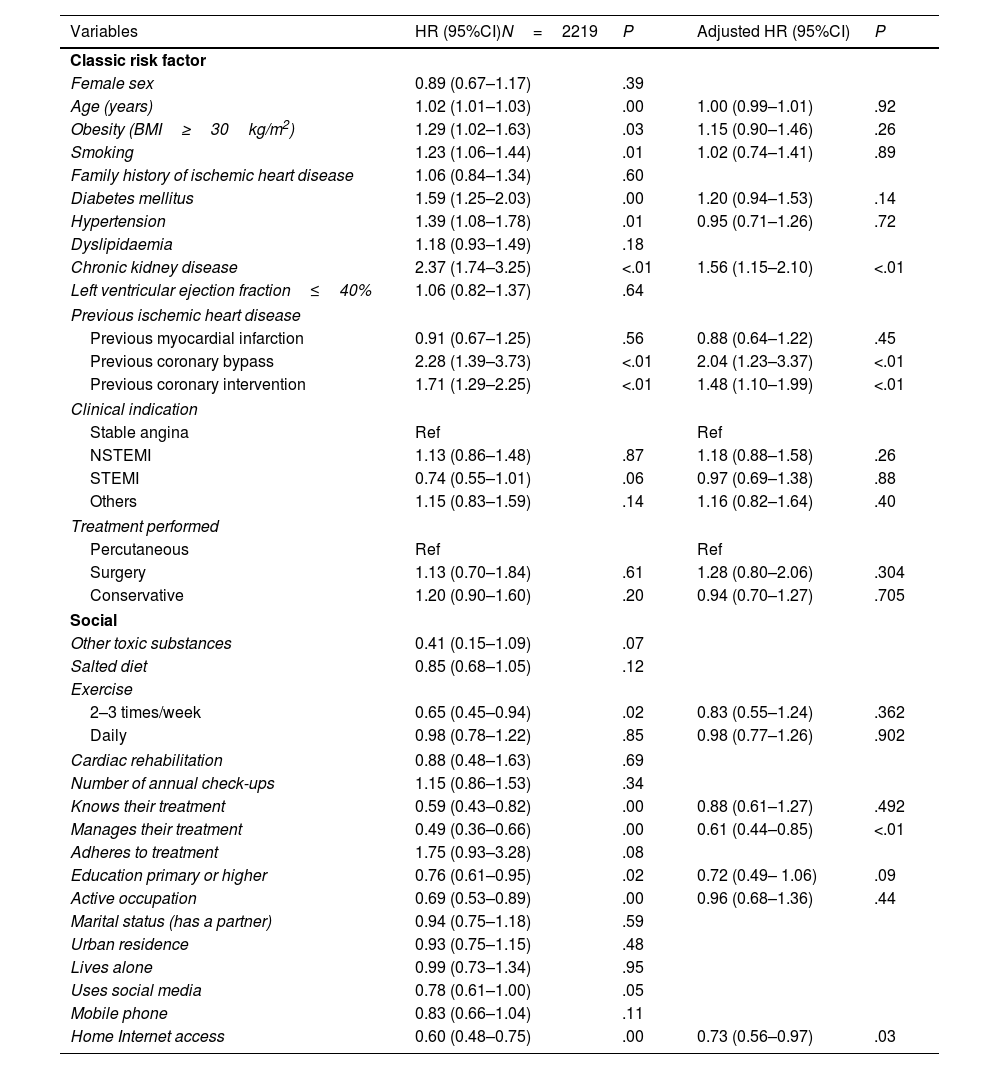
The results of the multivariate Cox regression model for the composite endpoint showed that CKD (aHR, 1.56; 95%CI, 1.15–2.10; P<.01), previous coronary artery bypass grafting (aHR, 2.04; 95%CI, 1.23–3.37; P<.01), and previous percutaneous coronary intervention (aHR, 1.48; 95%CI, 1.1–1.99; P<.01) were associated with the outcome. Among the social variables, there was a significant association between self-management of treatment (aHR, 0.61; 95%CI, 0.44–0.85; P<.01) and home internet access (aHR, 0.73; 95%CI, 0.56–0.97; P=.013) and composite endpoint (Fig. 1 and Table 2).
Central illustration. Influence of social factors in a cohort of ischemic heart disease: insights from the RECORVAL registry. Summary of the design and main findings. 95%CI, 95% confidence interval; aHR, adjusted hazard ratio; CV, cardiovascular; DM, diabetes mellitus; MI, myocardial infarction.
Univariate and multivariate Cox proportional regression for the combinate endpoint.
| Variables | HR (95%CI)N=2219 | P | Adjusted HR (95%CI) | P |
|---|---|---|---|---|
| Classic risk factor | ||||
| Female sex | 0.89 (0.67–1.17) | .39 | ||
| Age (years) | 1.02 (1.01–1.03) | .00 | 1.00 (0.99–1.01) | .92 |
| Obesity (BMI≥30kg/m2) | 1.29 (1.02–1.63) | .03 | 1.15 (0.90–1.46) | .26 |
| Smoking | 1.23 (1.06–1.44) | .01 | 1.02 (0.74–1.41) | .89 |
| Family history of ischemic heart disease | 1.06 (0.84–1.34) | .60 | ||
| Diabetes mellitus | 1.59 (1.25–2.03) | .00 | 1.20 (0.94–1.53) | .14 |
| Hypertension | 1.39 (1.08–1.78) | .01 | 0.95 (0.71–1.26) | .72 |
| Dyslipidaemia | 1.18 (0.93–1.49) | .18 | ||
| Chronic kidney disease | 2.37 (1.74–3.25) | <.01 | 1.56 (1.15–2.10) | <.01 |
| Left ventricular ejection fraction≤40% | 1.06 (0.82–1.37) | .64 | ||
| Previous ischemic heart disease | ||||
| Previous myocardial infarction | 0.91 (0.67–1.25) | .56 | 0.88 (0.64–1.22) | .45 |
| Previous coronary bypass | 2.28 (1.39–3.73) | <.01 | 2.04 (1.23–3.37) | <.01 |
| Previous coronary intervention | 1.71 (1.29–2.25) | <.01 | 1.48 (1.10–1.99) | <.01 |
| Clinical indication | ||||
| Stable angina | Ref | Ref | ||
| NSTEMI | 1.13 (0.86–1.48) | .87 | 1.18 (0.88–1.58) | .26 |
| STEMI | 0.74 (0.55–1.01) | .06 | 0.97 (0.69–1.38) | .88 |
| Others | 1.15 (0.83–1.59) | .14 | 1.16 (0.82–1.64) | .40 |
| Treatment performed | ||||
| Percutaneous | Ref | Ref | ||
| Surgery | 1.13 (0.70–1.84) | .61 | 1.28 (0.80–2.06) | .304 |
| Conservative | 1.20 (0.90–1.60) | .20 | 0.94 (0.70–1.27) | .705 |
| Social | ||||
| Other toxic substances | 0.41 (0.15–1.09) | .07 | ||
| Salted diet | 0.85 (0.68–1.05) | .12 | ||
| Exercise | ||||
| 2–3 times/week | 0.65 (0.45–0.94) | .02 | 0.83 (0.55–1.24) | .362 |
| Daily | 0.98 (0.78–1.22) | .85 | 0.98 (0.77–1.26) | .902 |
| Cardiac rehabilitation | 0.88 (0.48–1.63) | .69 | ||
| Number of annual check-ups | 1.15 (0.86–1.53) | .34 | ||
| Knows their treatment | 0.59 (0.43–0.82) | .00 | 0.88 (0.61–1.27) | .492 |
| Manages their treatment | 0.49 (0.36–0.66) | .00 | 0.61 (0.44–0.85) | <.01 |
| Adheres to treatment | 1.75 (0.93–3.28) | .08 | ||
| Education primary or higher | 0.76 (0.61–0.95) | .02 | 0.72 (0.49– 1.06) | .09 |
| Active occupation | 0.69 (0.53–0.89) | .00 | 0.96 (0.68–1.36) | .44 |
| Marital status (has a partner) | 0.94 (0.75–1.18) | .59 | ||
| Urban residence | 0.93 (0.75–1.15) | .48 | ||
| Lives alone | 0.99 (0.73–1.34) | .95 | ||
| Uses social media | 0.78 (0.61–1.00) | .05 | ||
| Mobile phone | 0.83 (0.66–1.04) | .11 | ||
| Home Internet access | 0.60 (0.48–0.75) | .00 | 0.73 (0.56–0.97) | .03 |
Clinical indication “Others” refers to diagnostic coronary angiography for cardiac surgery, transcatheter aortic valve replacement, cardiac dysfunction study or cardiac arrhythmia. Selected variables for multivariate logistic regression: Age, Obesity, Smoking, Diabetes mellitus, Hypertension, Chronic kidney disease, Previous ischemic heart disease, clinical indication, Treatment performed, Manages treatment, Exercise, Knows their treatment, Education, Active employment and Home Internet access. 95%CI, 95% confidence interval; BMI, body mass index; HR, hazard ratio; NSTEMI, non-ST-elevation myocardial infarction; STEMI, ST-elevation myocardial infarction.
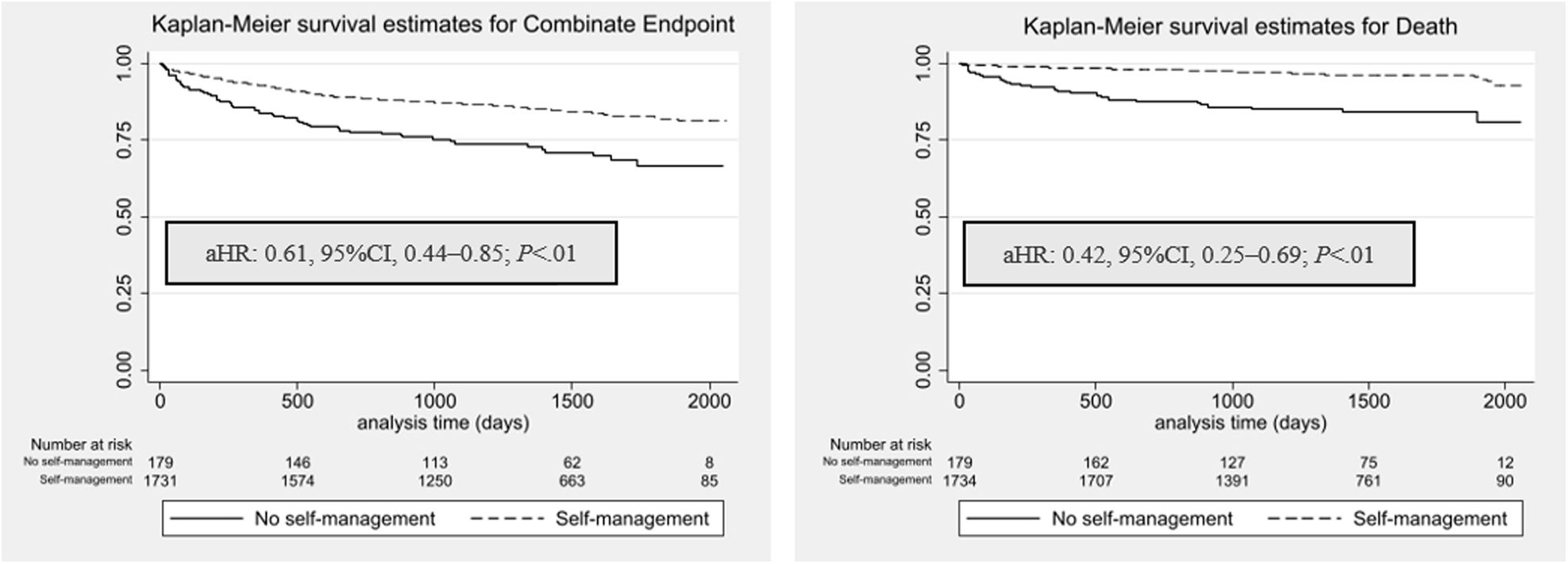
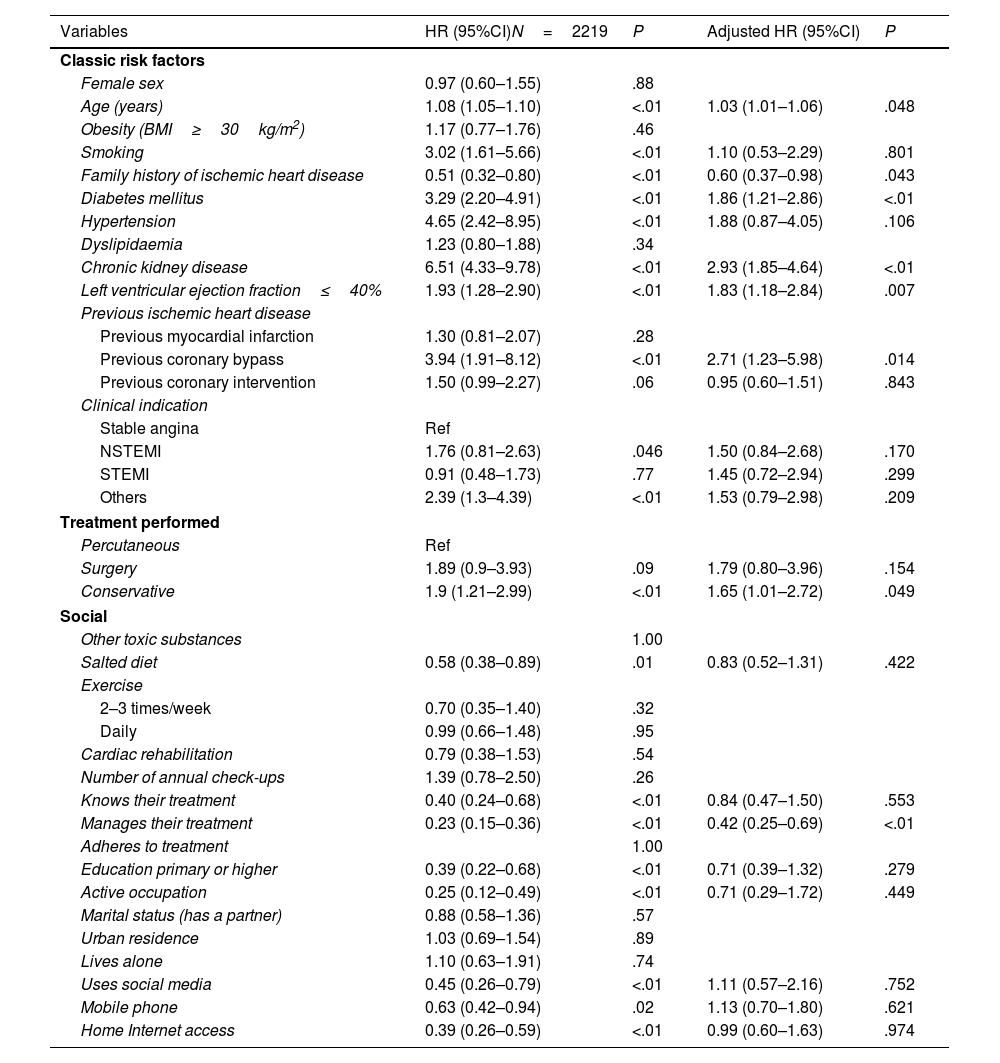
The results of the multivariate Cox regression model for mortality demonstrated the presence of various variables that were associated with the outcome. The results indicated that age (aHR, 1.03; 95%CI, 1.01–1.06; P=.048), DM (aHR, 1.86; 95%CI, 1.21–2.86; P<.01), CKD (aHR, 2.93; 95%CI, 1.85–4.05; P<.01), LVEF≤40% (aHR, 1.83; 95%CI, 1.18–2.84; P<.01), previous coronary bypass (aHR, 2.71; 95%CI, 1.23–5.98; P=.014) and conservative treatment (aHR, 1.65; 95%CI, 1.01–2.72; P=.049) were significantly associated with death. A family history of ischemic heart disease was identified as a protective variable (aHR, 0.51; 95%CI, 0.37–0.98; P=.043). Among the social variables, only the self-management of treatment was associated with the outcome (aHR, 0.42; 95%CI, 0.25–0.69; P<.01) (Table 3).
Univariate and multivariate Cox proportional regression for death.
| Variables | HR (95%CI)N=2219 | P | Adjusted HR (95%CI) | P |
|---|---|---|---|---|
| Classic risk factors | ||||
| Female sex | 0.97 (0.60–1.55) | .88 | ||
| Age (years) | 1.08 (1.05–1.10) | <.01 | 1.03 (1.01–1.06) | .048 |
| Obesity (BMI≥30kg/m2) | 1.17 (0.77–1.76) | .46 | ||
| Smoking | 3.02 (1.61–5.66) | <.01 | 1.10 (0.53–2.29) | .801 |
| Family history of ischemic heart disease | 0.51 (0.32–0.80) | <.01 | 0.60 (0.37–0.98) | .043 |
| Diabetes mellitus | 3.29 (2.20–4.91) | <.01 | 1.86 (1.21–2.86) | <.01 |
| Hypertension | 4.65 (2.42–8.95) | <.01 | 1.88 (0.87–4.05) | .106 |
| Dyslipidaemia | 1.23 (0.80–1.88) | .34 | ||
| Chronic kidney disease | 6.51 (4.33–9.78) | <.01 | 2.93 (1.85–4.64) | <.01 |
| Left ventricular ejection fraction≤40% | 1.93 (1.28–2.90) | <.01 | 1.83 (1.18–2.84) | .007 |
| Previous ischemic heart disease | ||||
| Previous myocardial infarction | 1.30 (0.81–2.07) | .28 | ||
| Previous coronary bypass | 3.94 (1.91–8.12) | <.01 | 2.71 (1.23–5.98) | .014 |
| Previous coronary intervention | 1.50 (0.99–2.27) | .06 | 0.95 (0.60–1.51) | .843 |
| Clinical indication | ||||
| Stable angina | Ref | |||
| NSTEMI | 1.76 (0.81–2.63) | .046 | 1.50 (0.84–2.68) | .170 |
| STEMI | 0.91 (0.48–1.73) | .77 | 1.45 (0.72–2.94) | .299 |
| Others | 2.39 (1.3–4.39) | <.01 | 1.53 (0.79–2.98) | .209 |
| Treatment performed | ||||
| Percutaneous | Ref | |||
| Surgery | 1.89 (0.9–3.93) | .09 | 1.79 (0.80–3.96) | .154 |
| Conservative | 1.9 (1.21–2.99) | <.01 | 1.65 (1.01–2.72) | .049 |
| Social | ||||
| Other toxic substances | 1.00 | |||
| Salted diet | 0.58 (0.38–0.89) | .01 | 0.83 (0.52–1.31) | .422 |
| Exercise | ||||
| 2–3 times/week | 0.70 (0.35–1.40) | .32 | ||
| Daily | 0.99 (0.66–1.48) | .95 | ||
| Cardiac rehabilitation | 0.79 (0.38–1.53) | .54 | ||
| Number of annual check-ups | 1.39 (0.78–2.50) | .26 | ||
| Knows their treatment | 0.40 (0.24–0.68) | <.01 | 0.84 (0.47–1.50) | .553 |
| Manages their treatment | 0.23 (0.15–0.36) | <.01 | 0.42 (0.25–0.69) | <.01 |
| Adheres to treatment | 1.00 | |||
| Education primary or higher | 0.39 (0.22–0.68) | <.01 | 0.71 (0.39–1.32) | .279 |
| Active occupation | 0.25 (0.12–0.49) | <.01 | 0.71 (0.29–1.72) | .449 |
| Marital status (has a partner) | 0.88 (0.58–1.36) | .57 | ||
| Urban residence | 1.03 (0.69–1.54) | .89 | ||
| Lives alone | 1.10 (0.63–1.91) | .74 | ||
| Uses social media | 0.45 (0.26–0.79) | <.01 | 1.11 (0.57–2.16) | .752 |
| Mobile phone | 0.63 (0.42–0.94) | .02 | 1.13 (0.70–1.80) | .621 |
| Home Internet access | 0.39 (0.26–0.59) | <.01 | 0.99 (0.60–1.63) | .974 |
Clinical indication “Others” refers to diagnostic coronary angiography, cardiac surgery, transcatheter aortic valve replacement, cardiac dysfunction study or cardiac arrhythmia. Selected variables for multivariate logistic regression: age, smoking, family history of ischemic heart disease, diabetes mellitus, hypertension, chronic kidney disease, left ventricle ejection fraction, previous ischemic heart disease, clinical indication, treatment performed, salted diet, knows their treatment, manages treatment, education, active employment, uses social media, mobile phone and home internet access. 95%CI, 95% confidence interval; BMI, body mass index; HR, hazard ratio; NSTEMI, non-ST-elevation myocardial infarction; STEMI, ST-elevation myocardial infarction.
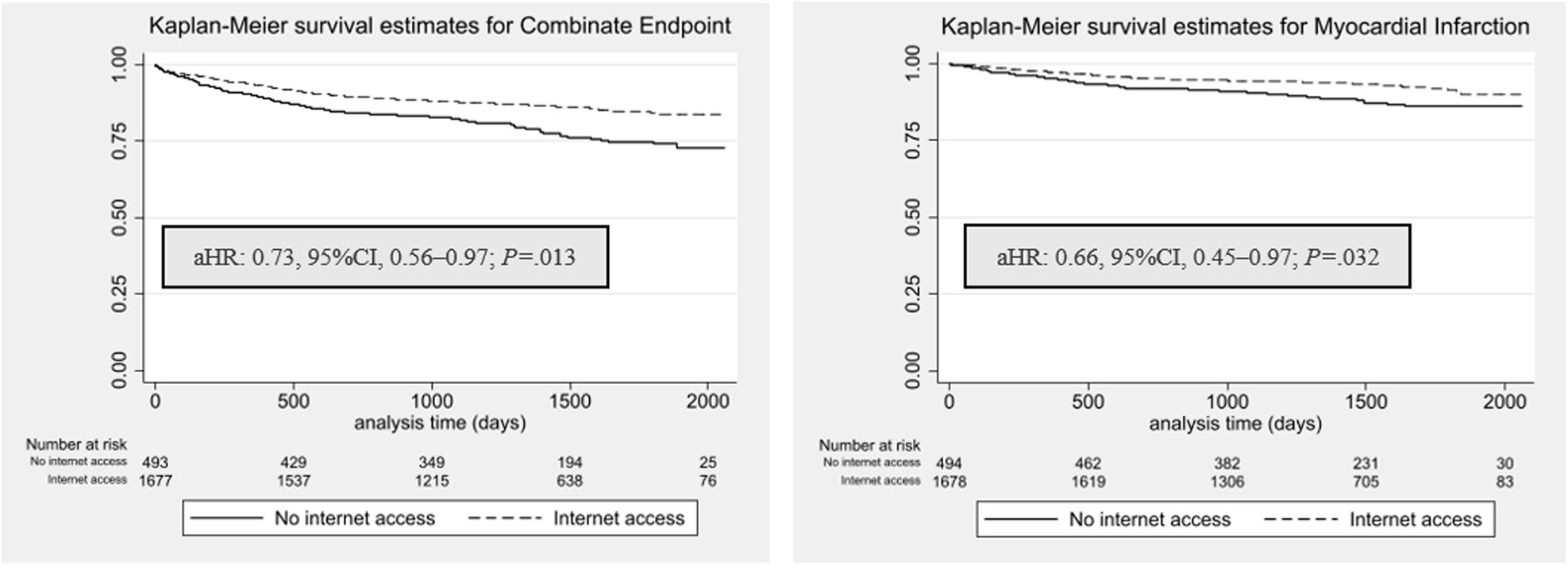
Additionally, a separate analysis was conducted on the remaining outcomes. With regards to the outcome of cardiovascular death, our findings indicated that CKD, LVEF dysfunction and previous coronary graft surgery were associated with a negative prognosis, as determine by multivariate Cox regression. Furthermore, self-management of treatment was identified as a protective variable. In the case of MI, previous coronary graft surgery was found to be associated with a higher incidence of events, whereas home internet access was associated with a lower incidence of events. Regarding revascularization, obesity and previous percutaneous coronary intervention were associated with an increased incidence of events, whereas conservative treatment was related to decreased incidence of events. No variables were identified as being significantly related to strokes in the follow-up. Finally, with regards to haemorrhages, only an active occupation was found to be associated with a reduced incidence (Tables 1–5 of the supplementary data).
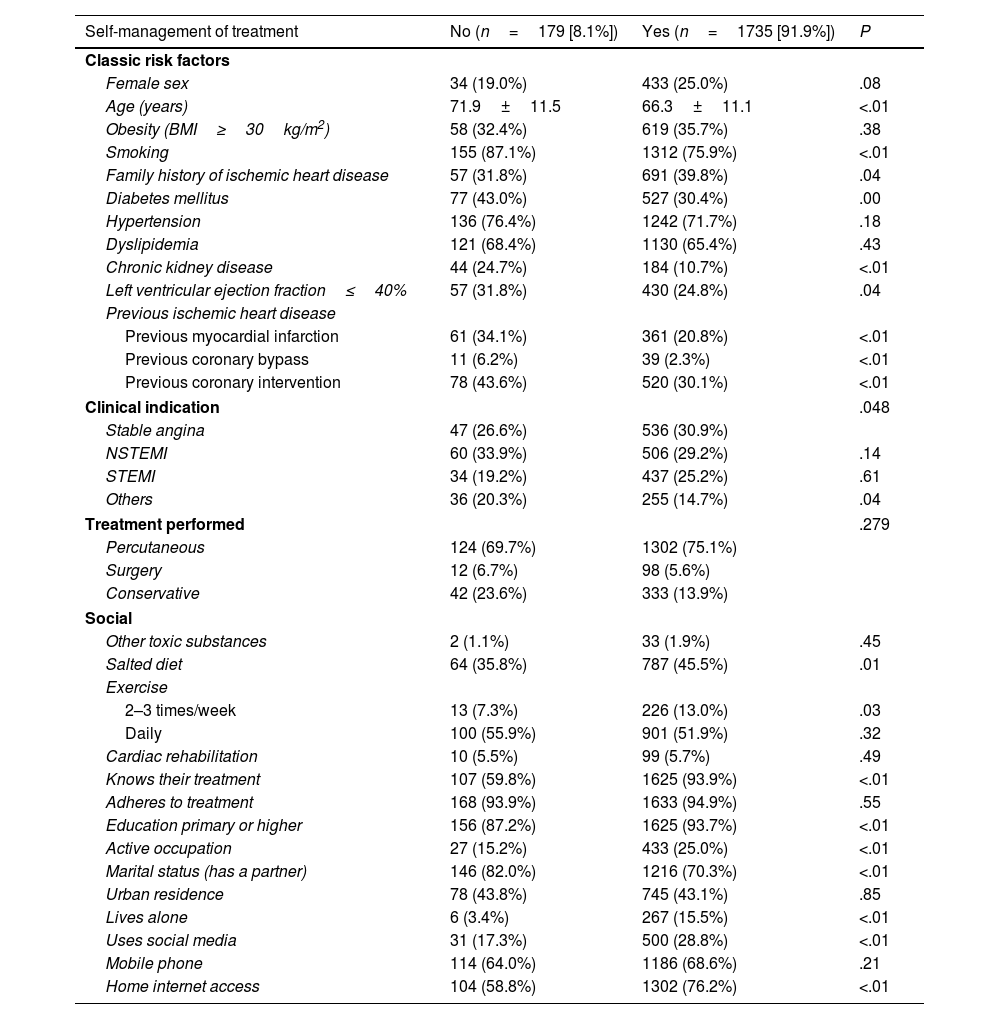
Subgroup analysesThe results of the multivariate Cox regression models indicated that three factors—self-management of treatment, home access to the internet, and active occupation were independently related to clinical outcomes (Figs. 2 and 3). These variables were selected for further investigation to identify potential differences between the groups. Regarding the management of treatment, 179 patients (8.1%) were assigned to the non-self-management group. Various statistically significant differences were identified between the 2 groups. The group that did not engage in self-management was older and exhibited a greater prevalence of cardiovascular risk factors, CKD, and a history of ischemic heart disease. Furthermore, there were notable discrepancies in social variables, which were worse in the group that did not engage in self-management (Table 4).
Comparison of basal characteristics between groups by self-management of treatment.
| Self-management of treatment | No (n=179 [8.1%]) | Yes (n=1735 [91.9%]) | P |
|---|---|---|---|
| Classic risk factors | |||
| Female sex | 34 (19.0%) | 433 (25.0%) | .08 |
| Age (years) | 71.9±11.5 | 66.3±11.1 | <.01 |
| Obesity (BMI≥30kg/m2) | 58 (32.4%) | 619 (35.7%) | .38 |
| Smoking | 155 (87.1%) | 1312 (75.9%) | <.01 |
| Family history of ischemic heart disease | 57 (31.8%) | 691 (39.8%) | .04 |
| Diabetes mellitus | 77 (43.0%) | 527 (30.4%) | .00 |
| Hypertension | 136 (76.4%) | 1242 (71.7%) | .18 |
| Dyslipidemia | 121 (68.4%) | 1130 (65.4%) | .43 |
| Chronic kidney disease | 44 (24.7%) | 184 (10.7%) | <.01 |
| Left ventricular ejection fraction≤40% | 57 (31.8%) | 430 (24.8%) | .04 |
| Previous ischemic heart disease | |||
| Previous myocardial infarction | 61 (34.1%) | 361 (20.8%) | <.01 |
| Previous coronary bypass | 11 (6.2%) | 39 (2.3%) | <.01 |
| Previous coronary intervention | 78 (43.6%) | 520 (30.1%) | <.01 |
| Clinical indication | .048 | ||
| Stable angina | 47 (26.6%) | 536 (30.9%) | |
| NSTEMI | 60 (33.9%) | 506 (29.2%) | .14 |
| STEMI | 34 (19.2%) | 437 (25.2%) | .61 |
| Others | 36 (20.3%) | 255 (14.7%) | .04 |
| Treatment performed | .279 | ||
| Percutaneous | 124 (69.7%) | 1302 (75.1%) | |
| Surgery | 12 (6.7%) | 98 (5.6%) | |
| Conservative | 42 (23.6%) | 333 (13.9%) | |
| Social | |||
| Other toxic substances | 2 (1.1%) | 33 (1.9%) | .45 |
| Salted diet | 64 (35.8%) | 787 (45.5%) | .01 |
| Exercise | |||
| 2–3 times/week | 13 (7.3%) | 226 (13.0%) | .03 |
| Daily | 100 (55.9%) | 901 (51.9%) | .32 |
| Cardiac rehabilitation | 10 (5.5%) | 99 (5.7%) | .49 |
| Knows their treatment | 107 (59.8%) | 1625 (93.9%) | <.01 |
| Adheres to treatment | 168 (93.9%) | 1633 (94.9%) | .55 |
| Education primary or higher | 156 (87.2%) | 1625 (93.7%) | <.01 |
| Active occupation | 27 (15.2%) | 433 (25.0%) | <.01 |
| Marital status (has a partner) | 146 (82.0%) | 1216 (70.3%) | <.01 |
| Urban residence | 78 (43.8%) | 745 (43.1%) | .85 |
| Lives alone | 6 (3.4%) | 267 (15.5%) | <.01 |
| Uses social media | 31 (17.3%) | 500 (28.8%) | <.01 |
| Mobile phone | 114 (64.0%) | 1186 (68.6%) | .21 |
| Home internet access | 104 (58.8%) | 1302 (76.2%) | <.01 |
Clinical indication “Others” refers to diagnostic coronary angiography for cardiac surgery, transcatheter aortic valve replacement, cardiac dysfunction study or cardiac arrhythmia. Abbreviations: BMI: body mass index; NSTEMI: non-ST-elevation myocardial infarction; STEMI: ST-elevation myocardial infarction.
Values are expressed as mean±standard deviation for quantitative variables and n (%) for qualitative variables.
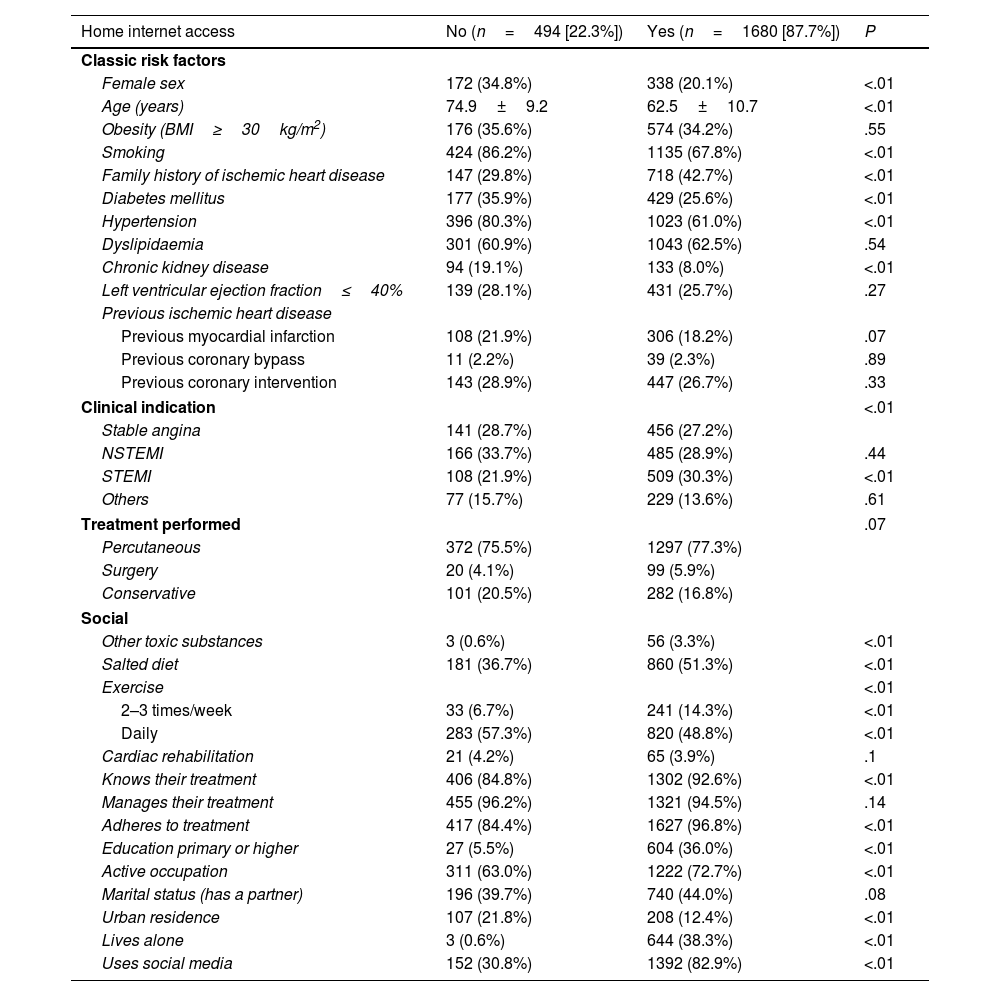
The group with no access to the Internet at home comprised 494 patients, representing 22.3% of the total sample. This group was characterised by a higher mean age and a more severe comorbidity burden. Furthermore, social variables were found to be worse in nearly all the variables analysed (Table 5). Of the patients, 640 (28.9%) were in the active occupation group. This group was younger and exhibited a superior cardiovascular risk profile and social variables (Table 6 of the supplementary data).
Comparison of basal characteristics between groups by home internet access.
| Home internet access | No (n=494 [22.3%]) | Yes (n=1680 [87.7%]) | P |
|---|---|---|---|
| Classic risk factors | |||
| Female sex | 172 (34.8%) | 338 (20.1%) | <.01 |
| Age (years) | 74.9±9.2 | 62.5±10.7 | <.01 |
| Obesity (BMI≥30kg/m2) | 176 (35.6%) | 574 (34.2%) | .55 |
| Smoking | 424 (86.2%) | 1135 (67.8%) | <.01 |
| Family history of ischemic heart disease | 147 (29.8%) | 718 (42.7%) | <.01 |
| Diabetes mellitus | 177 (35.9%) | 429 (25.6%) | <.01 |
| Hypertension | 396 (80.3%) | 1023 (61.0%) | <.01 |
| Dyslipidaemia | 301 (60.9%) | 1043 (62.5%) | .54 |
| Chronic kidney disease | 94 (19.1%) | 133 (8.0%) | <.01 |
| Left ventricular ejection fraction≤40% | 139 (28.1%) | 431 (25.7%) | .27 |
| Previous ischemic heart disease | |||
| Previous myocardial infarction | 108 (21.9%) | 306 (18.2%) | .07 |
| Previous coronary bypass | 11 (2.2%) | 39 (2.3%) | .89 |
| Previous coronary intervention | 143 (28.9%) | 447 (26.7%) | .33 |
| Clinical indication | <.01 | ||
| Stable angina | 141 (28.7%) | 456 (27.2%) | |
| NSTEMI | 166 (33.7%) | 485 (28.9%) | .44 |
| STEMI | 108 (21.9%) | 509 (30.3%) | <.01 |
| Others | 77 (15.7%) | 229 (13.6%) | .61 |
| Treatment performed | .07 | ||
| Percutaneous | 372 (75.5%) | 1297 (77.3%) | |
| Surgery | 20 (4.1%) | 99 (5.9%) | |
| Conservative | 101 (20.5%) | 282 (16.8%) | |
| Social | |||
| Other toxic substances | 3 (0.6%) | 56 (3.3%) | <.01 |
| Salted diet | 181 (36.7%) | 860 (51.3%) | <.01 |
| Exercise | <.01 | ||
| 2–3 times/week | 33 (6.7%) | 241 (14.3%) | <.01 |
| Daily | 283 (57.3%) | 820 (48.8%) | <.01 |
| Cardiac rehabilitation | 21 (4.2%) | 65 (3.9%) | .1 |
| Knows their treatment | 406 (84.8%) | 1302 (92.6%) | <.01 |
| Manages their treatment | 455 (96.2%) | 1321 (94.5%) | .14 |
| Adheres to treatment | 417 (84.4%) | 1627 (96.8%) | <.01 |
| Education primary or higher | 27 (5.5%) | 604 (36.0%) | <.01 |
| Active occupation | 311 (63.0%) | 1222 (72.7%) | <.01 |
| Marital status (has a partner) | 196 (39.7%) | 740 (44.0%) | .08 |
| Urban residence | 107 (21.8%) | 208 (12.4%) | <.01 |
| Lives alone | 3 (0.6%) | 644 (38.3%) | <.01 |
| Uses social media | 152 (30.8%) | 1392 (82.9%) | <.01 |
Clinical indication “Others” refers to diagnostic coronary angiography for cardiac surgery, transcatheter aortic valve replacement, cardiac dysfunction study or cardiac arrhythmia. Values are expressed as mean±standard deviation for quantitative variables and n (%) for qualitative variables. BMI: body mass index; NSTEMI: non-ST-elevation myocardial infarction; STEMI: ST-elevation myocardial infarction.
This study presents a large cohort of patients with ischemic heart disease, each of whom completed a questionnaire oriented towards social determinants upon inclusion in the study. The cohort was observed over a four-year period. Our findings indicate that, in addition to established risk factors, certain social factors influenced the study outcomes. It is noteworthy that lack of self-management of treatment and home internet access were associated with worse outcomes during the follow-up period. A paucity of self-management of treatment has been demonstrated to be consistently associated with inferior outcomes in our cohort. Although this term could be confused with that of treatment adherence, our objective was to differentiate between patients who are managing their own treatment and those who are receiving assistance from another individual. This finding is consistent with the existing literature, which has demonstrated that patient self-management leads to improved outcomes in cardiovascular and non-cardiovascular patients.19–22 While the impact of self-management has been primarily evaluated in the context of heart failure within the broader field of cardiovascular diseases,23,24 there is evidence to suggest that it may also be effective in the treatment of coronary patients.25,26 Despite the clinical benefits demonstrated by cardiac rehabilitation programmes promoting self-care in numerous clinical trials and meta-analyses,27,28 evidence of the impact of this variable on “hard” endpoints remains limited. Furthermore, observational studies evaluating the influence of self-management in ischemic heart disease cohorts are scarce. Interestingly, our findings indicate that a lack of self-reported adherence to treatment does not have a significant impact on outcomes. This finding is at odds with the current evidence base, which emphasises the importance of adherence to treatment in both international and recent national studies.29,30 We postulate that that this lack of association may be attributed to an overlap effect with the self-management variable or a failure of the questionnaire to accurately capture participants’ adherence.
Another pivotal discovery of our investigation is the protective influence of Internet accessibility on the composite endpoint and MI. This variable remained statistically significant after adjustment for age, sex and the remaining biological variables. The extent evidence indicates that Internet access is associated with improved cardiovascular outcomes. This is exemplified by the finding of Moorhead et al., who observed a correlation between states with broadband internet and lower cardiovascular outcomes in the United States of America using an ecological research design.31 The authors stated that, despite the potential for bias due to lower aggregate levels of education, household incomes, and health insurance coverage, the predictive strength of internet access remained consistent after multivariate adjustment. In our analysis, the association remained statistically significant even after adjusting for educational level and urban/rural environment. It is therefore unlikely that this finding can be explained by the lack of an electronic consultation system cannot explain this finding. Thus, although the possibility of an unidentified confounding variable cannot be ruled out, the results of our analysis support the conclusion that internet access has a beneficial effect on cardiovascular outcomes, extending beyond the established advantages of electronic cardiology consultation in facilitating self-management and follow-up. These benefits have been demonstrated in national and international studies even in the elderly population.32–34
Finally, our study found that the patients in the group of active occupation had less risk of bleeding during the follow up period. Some of the reasons that could explain these finding is that these patients were younger, had better cardiovascular risk profile and their social circumstances were more favourable. These findings are supported by the current literature, that has linked unemployment to higher prevalence of cardiovascular risk factors.35,36 However, in contrast with the evidence, we could not find any difference in mortality or other cardiovascular events besides bleeding. We consider that some confounding factor might have affected our outcomes, as most of the cohort was not in an active occupation, probably due to retirement as many of the patients were above retirement age. Consequently, contrary to previously mentioned evidence, which compared patients in active employment age range, the effect of this variable was underrepresented in our cohort.
Regarding classic risk factors, the protective effect of familiar history of ischemic cardiopathy was an unexpected finding that was contrary to current literature. In fact, in an extent cohort of patients from the SWEDEHEART registry, early-onset atherosclerotic cardiovascular disease in first-degree relatives was associated with a higher rate of recurrent events after a first MI.37 Our contradictory findings could be explained by 2 main reasons: First, an information bias where the patients could not accurately recall the clinical history of their relatives or confused early-onset ischemic disease with ischemic disease at any age. Second, the patients who were able to recall the clinical history were younger and were more aware about their increased risk. Therefore, these patients could have better self-care and awareness of their risk factors, leading to an improved control of their diseases and, eventually, less cardiovascular events.
LimitationsIt is acknowledged that the present study is subject to a few limitations. Firstly, it should be noted that the questionnaire used to assess the social circumstances of the cohort was not validated. In order to minimise the potential for bias, the patients were interviewed by researchers in person. However, it is possible that some responses may have been influenced by patients’ reluctance to share sensitive information (e.g., illicit substance use, weekly exercise, questions related to self-treatment, etc.) with the investigators. Secondly, certain social variables were intentionally categorised (e.g., exercise), which may have resulted in a loss of detailed information. It is regrettable that we did not have access to more accurate methods for adequately measuring some of these variables. Furthermore, some crucial social variables that have been linked to outcomes in patients with ischemic heart disease, as rental income, were not included. This omission is particularly relevant given that income has been identified as a crucial social determinant influencing prognosis in various studies within and beyond the cardiovascular field.38 It is acknowledged that this represents a significant limitation; however, it was a decision that was made prior to the commencement of the study. A considerable proportion of patients were unable to provide accurate information regarding their income, which we believed that this might affect their responses to other items in the questionnaire.
A further limitation of the study is that the unicentric nature of the study precludes the generalisability of the results to other populations. Furthermore, the follow-up period encompassed the SARS-CoV-2 pandemic, which could have influenced the patient's perspective about their symptoms due to fear to the pandemic. Moreover, the routine follow-up was disrupted during the pandemic in most of the specialised clinics. Consequently, it is possible that some pertinent clinical data may have been omitted, given that a considerable number of follow-up appointments were conducted via telephone. These circumstances may have resulted in a lower incidence of events than anticipated during the follow-up period. Additionally, the follow-up events were recorded from clinical records, which accurately assessed those patients who underwent follow-up in our region. However, those patients who moved to another region could have led to missing events, though, a telephonic contact was done occasionally.
Interpretation and generalizabilityThis cohort is comparable to the actual patients with ischemic heart disease across the majority of Spanish regions. The cohort is characterised by advanced age, the presence of multiple comorbidities, suboptimal treatment adherence, limited internet access and a tendency to reside in rural or remote areas. In 2024, these characteristics will be observed in numerous Spanish communities in the region commonly referred to as “Empty Spain.” This territory is characterised by an ageing population, a rural setting and restricted access to social resources, including reference public hospitals.36,37
Despite the likelihood of a reduction in this demographic over time due to migration of the younger population to larger urban centres, they will continue to represent a significant proportion of the Spanish population in 2024. Furthermore, this situation may be correlated with other territories outside of Spain that exhibit similar traits regarding population distribution. It is therefore proposed that these patients could benefit from a search of those features in which the input of health professionals and national policies could have an impact. In light of our findings, it is crucial to identify patients at an elevated risk, such as those unable to effectively self-manage their treatment or lacking internet access. Doing so can facilitate the provision of tailored care, which may ultimately result in enhanced clinical outcomes.
ConclusionsSocial factors, such as self-management of treatment and internet access, might be independently associated with a better prognosis in patients with ischemic heart disease. Identification of these patients could enable healthcare professionals to potentially improve prognosis in this subset of patients.
- -
It has been demonstrated that social circumstances exert an influence on the prognosis and management of a considerable number of medical conditions. Some studies have demonstrated the influence of these circumstances in patients with ischemic heart disease; however, there is a paucity of information regarding the Spanish population of patients with ischemic heart disease.
- -
The objective of this study is to analyse the distinctive social circumstances of patients with ischemic heart disease in Spain. The present study examines a cohort of patients from northern Spain and indicates that certain variables may be associated with more favourable outcomes. In our cohort, self-management of treatment and home Internet access were associated with superior outcomes in this population. The provision of personalised care to patients who lack these circumstances may result in improved clinical outcomes.
No funding declared.
Ethical considerationsThis study was approved by the Institutional Review Board, conducted in accordance with the Declaration of Helsinki, and ensured patient data confidentiality following regulations. All patients provided written informed consent. This study adhered to the SAGER guidelines to ensure transparency and equity in the reporting of sex and gender. The sex of participants was recorded and reported where relevant, and statistical analyses were stratified by sex when possible. Potential sex-related differences were considered in the interpretation of the results. The term “sex” was used to refer to biological attributes, and “gender” to sociocultural factors, in accordance with the SAGER recommendations. But, as we identified no discrepancies between sex and gender in our cohort, we used the term “sex” indifferently.
Statement on the use of artificial intelligenceNo artificial intelligence tools were used for data processing, analysis, or manuscript preparation in this study.
Authors’ contributionsStudy conception and design: J.M. de la Torre Hernández, J. Zubiaur, R. Pérez Barquín, A. Margarida de Castro, and A. Teira Calderón; interpretation of results: J.M. de la Torre Hernández, J. Zubiaur, R. Pérez Barquín, A. Margarida de Castro and A. Teira Calderón; draft manuscript preparation: J. Zubiaur, J.M. de la Torre Hernández. All authors reviewed the results and approved the final version of the manuscript.
Conflicts of interestsThe authors declared no competing interest related to this research.
The followings are the supplementary data to this article:

Abbreviations: aHR: adjusted hazard ratio; BMI: body mass index; CVD: cardiovascular disease; DM: diabetes mellitus; MI: myocardial infarction.